Showing posts with label Third Place Winner. Show all posts

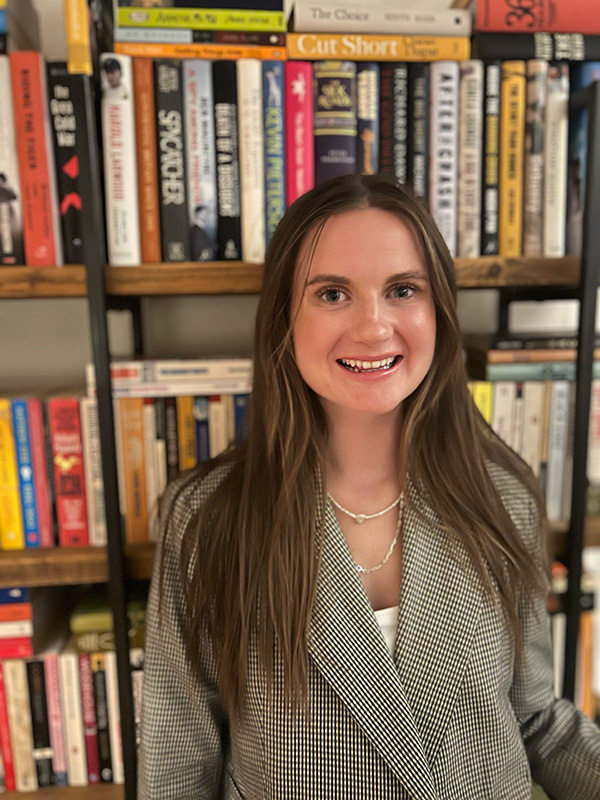
Interview with Lydia Blundell-Patel: Spring 2026 Flash Fiction Contest 3rd Place Winner

Tuesday, September 29, 2026
Lydia’s Bio:
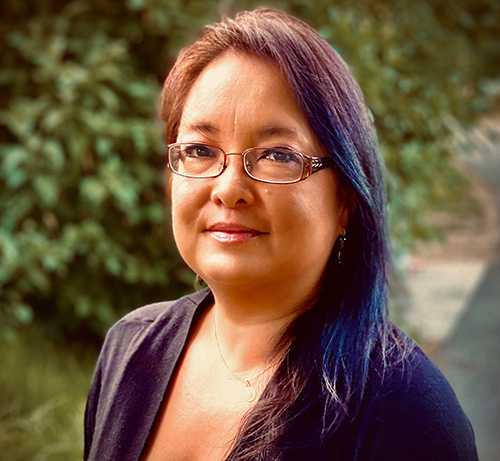
Lydia Blundell-Patel recently decided to take her love for reading and writing full time, retraining as a secondary school English teacher after a career in marketing. She writes a blog on Substack about these twin passions, as well as how to live a more creative life more broadly and making sense of life in her late twenties. Lydia has had a personal piece published in The Independent and a short story in Confluence magazine. She is in the trenches of drafting her first novel. She lives in Cheltenham in the UK with her husband and beloved black cats. You can find her on Instagram at @Lit_with_Lyds and on Substack here: Lydia Rose Substack. 

If you haven't done so already, check out Lydia's award-winning story "Salon Madonna" and then return here for a chat with the author. 


WOW: Congratulations on placing third in the Spring 2026 Flash Fiction Contest! What excited you most about writing this story? 

Lydia: Visual art is not something I usually write about or even think much about, so it was stimulating to explore something different while sticking to my greatly preferred medium of words! I didn't know that was the direction the piece was going to take; I was trying to pinpoint what felt so special about this seemingly ordinary mother and found myself thinking about paintings and frescoes. It was a good lesson in writing outside my comfort zone and not sticking to what I know. 

WOW: Such amazing things can happen outside of our comfort zones. What did you learn about yourself or your writing while crafting this piece? 

Lydia: Realising that inspiration really is in the everyday. You don't need to be having crazy life experiences to write interesting stories! Salon Madonna came from my daydreaming in the nail salon, surrounded by perfectly ordinary (at first glance...) fellow customers. It taught me to look again and dig deeper with my observations, which is a valuable skill for getting started on a piece, but it was also a great feeling to see something special come to life over many rounds of revisions – a lot like chipping away at a piece of rock to create a fresco! 

WOW: What a great analogy! Please tell us more about your novel. What is it about? What has the writing process been like? 

Lydia: The novel is very embryonic at the moment. I'm training to be a teacher and regularly take breaks to work on shorter fiction and my Substack so it's a deliberately slow process and I'm trying not to put too much pressure on it. Originally, I set out to write a short story but realised it was something bigger, so started mapping out how that might look. I'm moving between plotting and sporadic drafting and taking it as it comes. I'm really interested in how different generations perceive the world and interact with each other, so my main characters are a teenage girl and a woman in her sixties. I'm not either of those ages, so it's another example of not writing what I know! In a twist of circumstance, they need to come together to find a missing person, but more secrets are unveiled along the way. 

WOW: It sounds like a fun process to explore all of those elements. What are you reading right now, and why did you choose to read it? 

Lydia: I've been reading a lot of Graham Greene this summer, who is a new author to me (crazy, I know). I can't believe I waited this long... Brighton Rock has been my favourite so far. His examination of morality and Catholic guilt is about as heavy as subject matter gets, but he somehow manages to achieve the pace of a thriller with the scorching prose of a genius literary fiction writer. I've copied out lots of passages from his novels as I find this really useful for picking up skills for my own writing. 

WOW: What a great method for learning and studying prose that you love. If you could give your younger self one piece of writing advice, what would it be and why? 

Lydia: I'm young as it is but I still wish I'd started sooner. Something happens in the teenage years where so many of us reject the hobbies we loved as children only to pick them up in adulthood again and wonder why we ever left them; this happened to me with reading and making up stories. Building a writing habit is key and controversially I think quantity over quality has a greater pay off in the long term; if you show up, the rest will sort itself out. 

WOW: Thank you for your thoughtful responses. Happy writing! 


Interviewed by Anne Greenawalt, founder and editor-in-chief of Sport Stories Press, which publishes sports books by, for, and about sportswomen and amateur athletes. Connect @greenmachine459.
Read More »

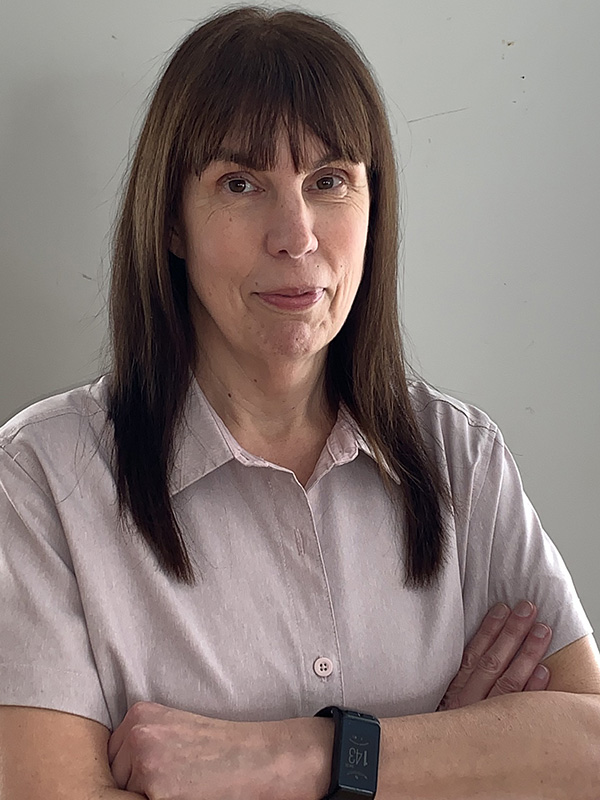
Interview with Connie Boland: 2026 Winter Flash Fiction Contest Third Place Winner

Tuesday, July 14, 2026
Connie’s Bio:
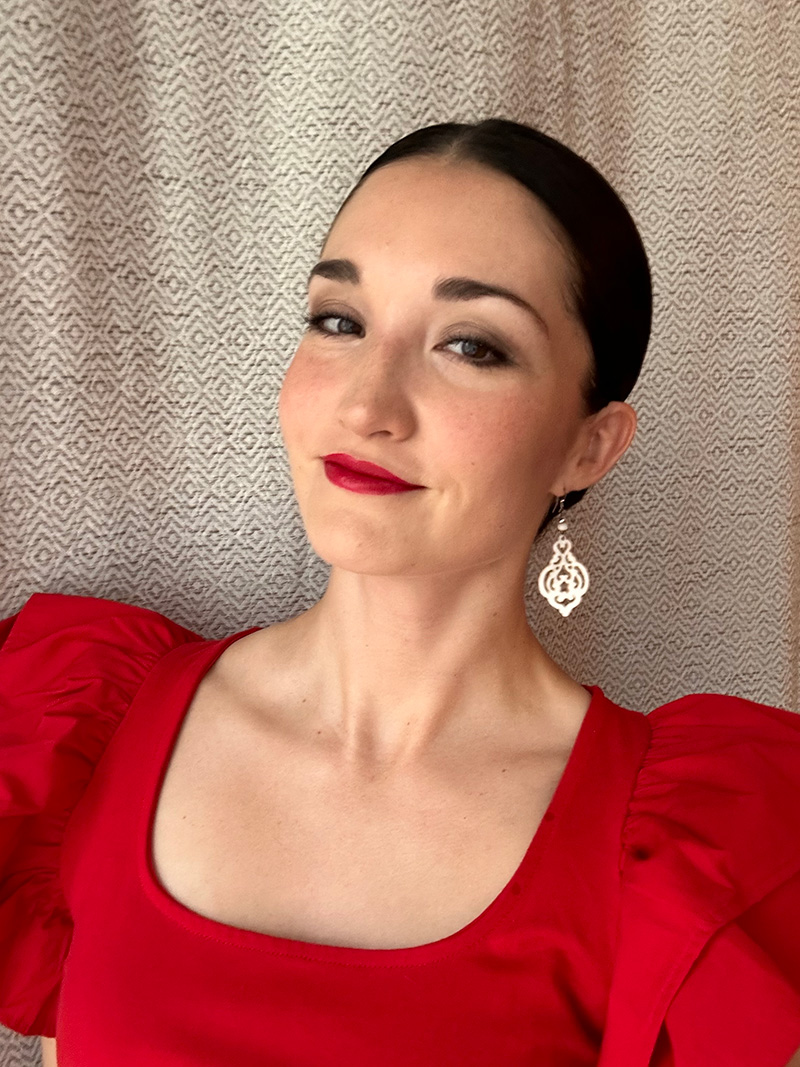
When I was five years old, I wanted a pony. My mother said absolutely not, so I wrote about one. I’ve been writing ever since. I am a former journalist turned communities manager. At age 53, I finished an Education degree and became an Adult Basic Education Instructor, in Nunatsiavut. In 2026, my collection of short stories was published by Horseshoe Community Press. My debut novel is on query. I love to share my work at www.connieboland.com. 

If you haven't done so already, check out Connie's award-winning story "73 Seconds" and then return here for a chat with the author. 

WOW: Congratulations on placing third in the Winter 2026 Flash Fiction Contest! What excited you most about writing this story? 

Connie: Tragedies like this one stay with us. I watched on television the astronauts walking to Challenger. Their smiles, and their stories. I remember wondering what they were thinking and feeling. I remember people watching and the moment the mission went horribly wrong. I wanted to spin that into something hopeful. 

WOW: What did you learn about yourself or your writing while crafting this piece? 

Connie: I love flash fiction. The paring down of a story so that every word earns its place. This story, when the woman poolside comes forward, showed me that even with small stories characters can take over, and as writers we have to let that happen. 

WOW: What a useful revelation. It feels like a bit of magic when the characters take over the story. Please tell us more about your debut novel and your writing process to create it. 

Connie: The novel, We Was Drove, has been in my heart for fifty years. I was nine the first time I told my grandmother I wanted to write about her island home. The novel is fiction, because I love taking real life and adding what ifs; however, my grandparents and parents were resettled. It was in the 1950s and the government of Newfoundland and Labrador was moving people to more populated areas, with larger schools, electricity, running water, and access to health care. The church was heavily involved, influencing people's decisions. I grew up hearing the stories, negative and positive, and it certainly was a different way of life. 

The novel follows how four members of one family dealt with the move. One teenager yearns for the city life she has only heard of and has her own plans for getting away. Her Irish twin sister is terrified. Their mother (a midwife with five other children) cannot leave unless her husband signs the documents but he's conflicted. There's a shipwreck, a fire, a murder, and a lot of other things tossed about like the ocean they may be forced to cross. 

WOW: That sounds exciting! And how exciting that you’re sharing it now, after having it in your heart for so long. What are you reading right now, and why did you choose to read it? 

Connie: When I'm writing, I read books with similar themes or subjects. When I wrote We Was Drove, for example, my desk was full of Newfoundland and Labrador literature, which I love. I am currently reading the Weekend by Charlotte Wood and Tilda is Visible by Jane Tara. 

WOW: If you could give your younger self one piece of writing advice, what would it be and why? 

Connie: Write your first novel now, and don't look back. I started my career as a journalist and for a while I was a freelance writer. I became a communications manager and now a teacher. I wish I had written the novel earlier because there are many more to come. When I started the novel, my goal was to publish it before I turn 60 in fall 2026. It's out on query but as I am learning it's a long process. In April of this year, I published a chapbook of short stories, What if I Told You? Stories about Secrets, with our local community press. My tiny book sold out on launch night so I guess I achieved my goal, just on with a smaller book. It was one of the best nights of my life. 

WOW: That’s amazing! Congratulations on the publication and success of your chapbook! We wish you much success with your novel, too. Anything else you’d like to add? 

Connie: Stories connect us. Don't be afraid to share yours. We Was Drove started out as a 100-word micro fiction and it grew from there. 

WOW: What an incredible metamorphosis that story has taken! Thank you for sharing your story and your responses with us. Happy writing! 


Interviewed by Anne Greenawalt, founder and editor-in-chief of Sport Stories Press, which publishes sports books by, for, and about sportswomen and amateur athletes and offers developmental editing and ghostwriting services to partially fund the press. Connect @greenmachine459.
Read More »

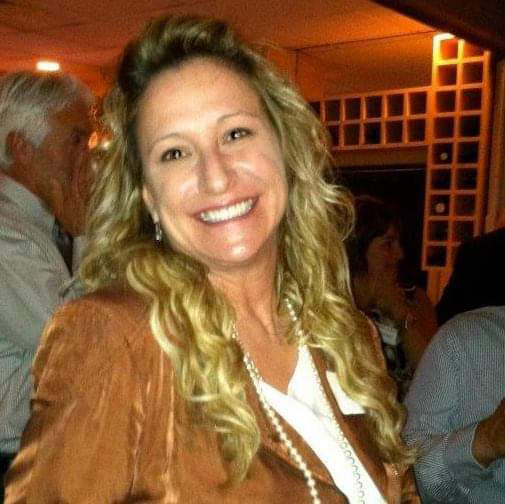
Interview with Jill Martin, 3rd Place Winner in the WOW! Q2 2026 Creative Nonfiction Contest

Sunday, May 31, 2026


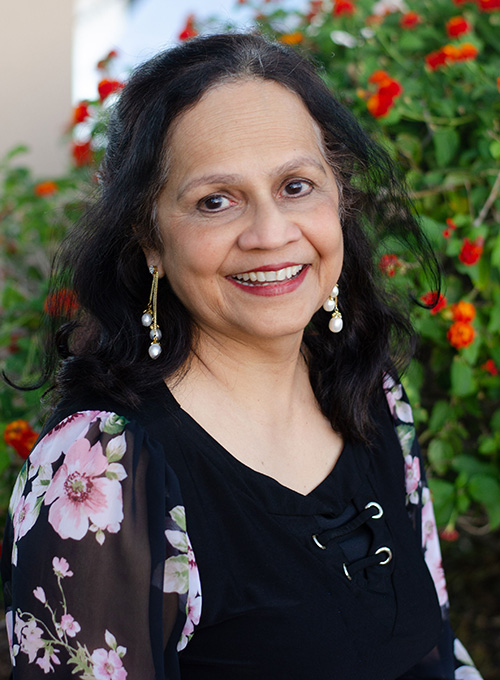
Jill Martin writes and lives in Northern Virginia. Previously a federal government lawyer, she now travels extensively with her husband, and writes a Substack newsletter about what she learns from her travels (https://jillme3801.substack.com/). She has completed her first novel, which is still unpublished, and has started on her second. She also writes short stories, several of which have won prizes. She loves going to writing conferences to improve her craft, and enjoys meeting other writers. 


 ----------Interview by Renee Roberson 

WOW: Congratulations, Jill, and welcome!"Recipe for Mom's KitchenAid Mixer" is a great example of a hermit crab essay. Did you always plan to structure this piece as a recipe and what is it you like about this particular format? 

Jill: I only recently learned about hermit crab essays. Last year I took a short online course in creative nonfiction (a webinar by Nicole Breit) and that got me thinking about different forms and how you can address an emotionally difficult subject in a structured essay. I like the way that you can uncover some of your deep feelings and memories in this way. I tried several things that didn't work too well, and then one day when I got out my mom's Kitchenaid and all these feelings came flooding in, I wanted to sit and write immediately. But I needed to finish the recipe first.

WOW: I was envious when you shared that your mother's KitchenAid mixer was likely from the 1950s! Are there any other antiques or similar treasures you've chosen to write about over the years? 

Jill: I'm grateful that you asked this question, because my first response was "no," but then I remembered that I wrote something years ago about a tiny family heirloom. Now I need to go back and find that essay, and improve it. 

WOW: I love it! It's always a good idea to do a "spring cleaning" of our files because we often forget about buried treasures such as that one. You are hard at work on writing novels, and bravo to your latest work in progress! What genres would you categorize your work as? How long did it take you to complete the first manuscript? 

Jill: My first novel took me 2-3 years to complete, and I'm still editing as I get further feedback. It's contemporary women's fiction (or "book club fiction" or "upmarket fiction"). My second novel is completely different; it's either YA or middle-grades, and it's about fairies, so it's in the fantasy genre. That's also something that's not recommended by agents; they want you to stick to one genre. But I'm doing what I want to do right now. 

WOW: Follow your heart. I'm also one of those people that likes to write a variety of genres--I get bored when I stick to the same thing all the time! As someone who keeps waffling back and forth about whether I should start a Substack, how has your experience with it been? Do you have a regular publication schedule for it, and what other Substacks do you subscribe to?

Jill: I have surprised myself with how much I enjoy writing my Substack newsletter. When I first started it, the focus was just on my travels. But lately I've been throwing a lot of other stuff against the wall. I've posted a poem, a short story, and several essays. I heard from one friend who was upset because she wanted to read only my travel posts and nothing else. I should probably re-brand the newsletter because it's basically my writing platform now. I don't have a regular schedule for posting my newsletter, although it's a recommended practice. Sometimes months go by between my posts, and then I'll post a bunch in a row (e.g., following a trip somewhere). I subscribe to several Substacks by successful fiction writers, on the craft of writing. My favorite is George Saunders. I also subscribe to several by political writers, as well as the Substacks of writer friends whom I've met at workshops. 

WOW: Our community here loves a good writing conference or residency! What types of conferences have you been to so far and what advice would you give to someone attending one for the first time? 

Jill: I recommend attending as many conferences and workshops as your time and wallet permit. I've been to many different types: quick online workshops that are 1-3 hours; 2- or 3-day writing conferences that are open to all and focus on the craft of writing (e.g. the Women's Fiction Writers Ass'n conference); conferences that focus on pitching agents (I've done in-person as well as online ones); and conferences that include both pitching opportunities and talks on craft (Atlanta Writing Conference, Washington Writers Conference; TBR in Boston). The most helpful ones for my writing have been the competitive-entry workshops that are intensive, in-person, and include an instructor who gives feedback (e.g., the Yale Writers' Workshop). My advice for someone attending a conference for the first time is to be social and meet other writers, even if that's not easy for you. Networking is quite helpful; I've learned a lot from other writers. You can also practice your pitches with them!

WOW: Thank you so much for all this great advice and a peek into your writing life! Congratulations again and we can't wait to read more from you. 
Read More »

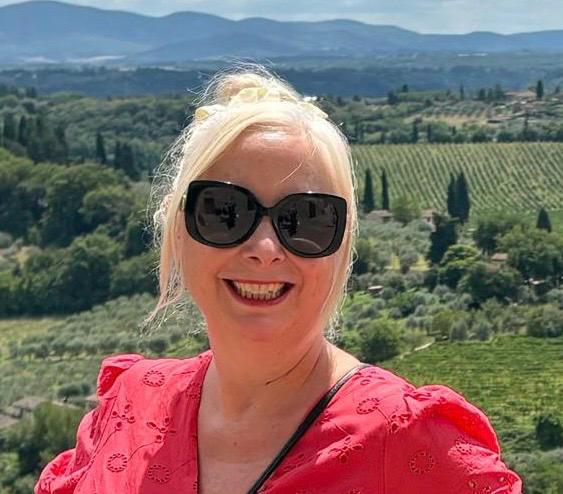
Interview with Elizabeth Hoban: Fall 2025 Flash Fiction Third Place Winner

Tuesday, May 05, 2026
Elizabeth’s Bio:
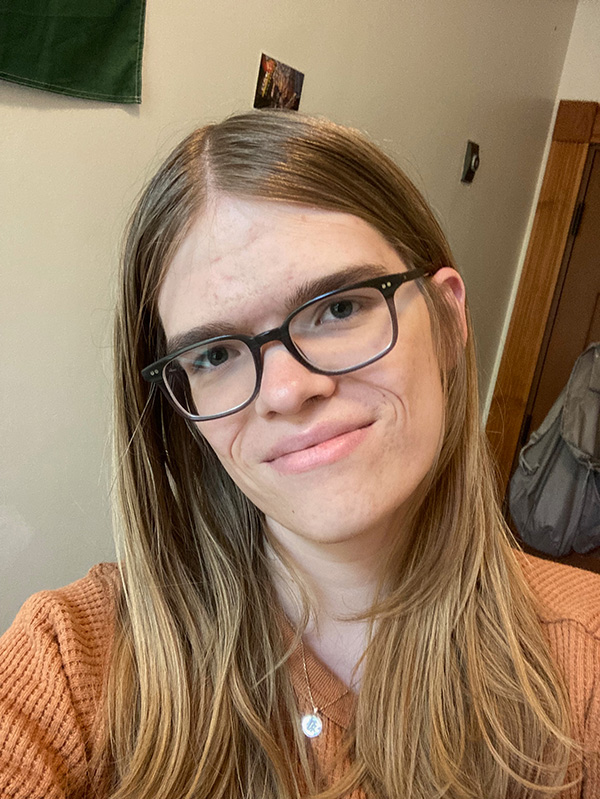
Elizabeth is a traditionally published author of two novels and a historical nonfiction memoir. She has written numerous newspaper and magazine articles over the years. She has won numerous writing awards, including Bethlehem Writers Circle Best in Prose 2018, Writers Digest runner-up in Memoir 2019, Millennium runner-up for Best in Prose 2023, and Reedsy first-place award for two short stories and two short-listed. Her winning story appears in 2025 Reedsy Anthology. Most recently she received the Miriam Chaiken Award for Best in Prose 2025, and won Women on Writing Essay Award 2025. Aside from writing, Elizabeth is a Nurse Practitioner who loves spending time with her kids and her four-legged antidepressants. 

If you haven't done so already, check out Elizabeth's award-winning story "The Wail" and then return here for a chat with the author. 

WOW: Congratulations on placing third in the Fall 2025 Flash Fiction Contest! What excited you most about writing this story? 

Elizabeth: My brother served in the Coast Guard and some years back he had told me about a beached whale they tried to save but to no avail – it was very sad. I decided this would make a harrowing short story someday. It has evolved into a 750-word story from 3000 words and, interestingly enough, after chopping so many words, it still feels like it is complete. I find that exciting. 

WOW: Yes, it often amazes me how much can fit into a piece of flash writing. What did you learn about yourself or your writing while crafting this piece? 

Elizabeth: I am fascinated by small fishing villages in places I have travelled because they seem to have something for all the senses – this piece really helped me use those memories, as well as bring in all the sights, smells, tastes and feelings, etc. Showing and not telling has been a challenge for me and I believe in honing this story, I was able to push myself to use those descriptors more so than in any other short story I've written. 

WOW: I imagine it gets busy working as a nurse practitioner, and spending time with your children and pets. What tricks or tips can you share for making time to also be a prolific and accomplished writer? 

Elizabeth: My children are all grown now and no longer live with me so that in and of itself makes for peace and time. When I am working (as a nurse) I find myself yearning to get home and read/write. I feel guilty watching TV and reading others’ books when I should be focused on my own art. I do audio books when I commute but when I'm home, I spend 80% of my time writing something and, even if I do not finish what I start, I know down the road I will revisit it with new eyes. That was what happened with The Wail. I started it years ago, forgot about the very rough draft, and then rediscovered it just recently. And I always find time for my 4-legged antidepressants! 

WOW: Audiobooks in the car have been a huge timesaver for me, too, and I [almost] look forward to my commutes. What are you reading right now, and why did you choose to read it? 

Elizabeth: Currently, I am reading The Many Lives of Anne Frank by Ruth Franklin. After visiting Amsterdam a few years ago, I had very mixed feelings about the Anne Frank House, so I wanted to find out more, beyond the diary. 

WOW: If you could give your younger self one piece of writing advice, what would it be and why? 

Elizabeth: I grew up in a home where we could stay up as late as we wanted as long as we were reading, we could not see a movie unless we read the book first, and we were not allowed television except on Sundays. Going back, I wish I'd catalogued (and kept) all the books I'd read, especially the ones when I first started reading. It would have been fun to now share some of those really old titles with my grandkids. Many are no longer in print. 

WOW: Keeping a list of books you’ve read is a great idea! I feel fortunate that I have GoodReads to help with that now. Anything else you’d like to add? 

Elizabeth: I very much enjoy writing for and reading the stories on WOW. This platform has not only awarded me twice thus far but has also helped me build confidence in my writing. Perhaps I am going in the right direction. Congratulations to the other winners and thank you WOW for this honor. 

WOW: You’re very welcome! Thank you for sharing your story and your responses with us. Happy writing! 


Interviewed by Anne Greenawalt, founder and editor-in-chief of Sport Stories Press, which publishes sports books by, for, and about sportswomen and amateur athletes and offers developmental editing and ghostwriting services to partially fund the press. Connect @greenmachine459.
Read More »

Interview with Sophie Berghouse, M.D., 3rd Place Winner in the WOW! Q1 2026 Essay Contest

Sunday, March 01, 2026


Sophie was raised in the Midwest and spent the first three decades of her life there. She attended medical school, completed her residency and fellowship, and felt pleased her life was comfortably mapped out. Then life introduced a plot twist: a permanent move to Germany due to her husband's job. Just as she began to find a new rhythm within the different language and culture, Sophie faced another plot twist she never saw coming: her third child was born with severe disabilities. When Sophie grows up, she wants to write a novel about traveling Europe with a wheelchair and four kids in tow. For now, she will focus on short stories detailing her (mis)adventures in parenting, special needs, and most importantly, living. She hopes her experiences can support and encourage other women and mothers facing unexpected life changes. She is not a big fan of socials but grudgingly accepts that they are here to stay. The only social link she has is on Substack: @sophieberghouse, where she has a mightily underwhelming number of followers. 


 ----------Interview with Renee Roberson 

WOW: Hi Sophie. Welcome, and congratulations on your win. Your powerful essay, "Lingchi," is a testament to a mother's love and the reality of parenting a child with severe disabilities. How did you first get the idea to structure the piece around the concept of an ancient Chinese torture method? 

Sophie: When we first found out about the disability, I felt like my world had imploded in a single instant. It was torturous. Fast forward a decade, and I often forget about my daughter’s differences; this is our normal. But as soon as we step outside, I am reminded by peoples’ glances. And I don’t blame them. We are different, and it’s natural to look for the outlier. Yet, the ‘othering’ does affect me—not to the extent of the initial diagnosis, but just small cuts that add up over time. I am really drawn to the hermit-crab form of writing ever since I took a WoW class last summer. It offers a pre-defined structure which is helpful for the emerging writer. It’s the antidote to not knowing where to begin. Plus, it allows for creativity for the writer and the reader. The writer, because there is a starting point that can now be filled however you want to tell your story. And the reader, because they want to figure out how it all ties together. 

WOW: There are so many ways to be creative with a hermit crab essay. This was an excellent structure for your piece. How did "Lingchi" evolve from the first spark of an idea to the completed draft you submitted to the contest? 

Sophie: This was one of those essays where everything came together. I had read about that for other writers but always reacted silently with a dubious “yeah, right.” But that’s exactly how it worked this time. Things just ‘clicked’ and it was start to finish in two or three days. On a metaphorical level, I have been writing this essay for a decade. Maybe that’s why it just poured out once I had found the correct structure. 

WOW: Sounds like it was meant to be, and I love hearing stories like this where everything falls into place on the page. Parenting is a universal topic that many of us can relate to in our writing. What are some of the related subtopics you've explored on the page? 

Sophie: I think there is a dearth of authentic perspectives on what motherhood means. The narrative continues that its either communing with angels or ha-ha crazy. And of course there are those moments, but there is a range of other emotions that never get dissected: frustration, anger, jealousy, confusion. Those don’t seem to fit into the definition of motherhood and therefore don’t get written about. Another subtopic I try to shine light on is special needs parenting. It’s a subset of the population who has experienced it and even less who are writers. Yet, it’s a topic that touches us all. I think readers would be very interested to see what diagnosis day feels like, what the daily struggles are, etc. Parenting teens is also mostly a black box. I am trying to delve into that too. 

WOW: You are correct--there is such a wide spectrum on what experience and explore as mothers. I appreciate you shedding light on special needs parenting with this essay and your Substack. What advice would you give to writers planning to explore emotionally-heavy topics in their own creative nonfiction? 

Sophie: The danger in emotionally-heavy topics is to veer towards melodrama because—I don’t know— anything outside of the shiny-happy narrative must be its opposite? But after the initial shock of the inciting incident, I think people adjust, at least in some form. And describing that re-adjustment, that learning, is where the authenticity lies. I don’t think people want to read “woe unto me, I’m the victim.” But everyone is wildly interested in “I felt like a victim but now know I’m not.” There is still so much beauty to be found in many situations, even though it may not look like it to the casual observer. And shining a light on that beauty, that’s what makes emotionally-heavy topics so fascinating to the public.

WOW: That's such a thoughtful perspective, and a great way to describe what makes a compelling piece of creative nonfiction. Let's switch to something a little different. Originally being from the Midwest, how have you adjusted to life abroad in Germany? 

Sophie: The first couple of years were confusing, but there is an American-International women’s group here that has events and helps close the cultural gap. I am glad to be here now and rarely run into any more surprises. Pro-tip: apartments do not come with kitchens—we found out the hard way with a newborn, two toddlers and a first grader.

WOW: Oh, my goodness, that bit about kitchens could be its own essay! Sophie, we're so glad we got to learn more about your life and writing process, and look forward to reading more in the future. 
Read More »

Interview with Samantha Green: 2025 Summer Flash Fiction Contest Third Place Winner

Tuesday, January 06, 2026
Samantha’s Bio:
Samantha Green is an emerging writer with ADHD who lives in Virginia with her family. She has an accounting degree she doesn't use and writes mostly speculative stories. Her work was longlisted for the Oxford Flash Fiction Prize. Samantha can be found at samanthagreenwrites.com. 

If you haven't done so already, check out Samantha's award-winning story "TEETH" and then return here for a chat with the author. 


WOW: Congratulations on placing third in the Summer 2025 Flash Fiction Contest! What excited you most about writing this story? 

Samantha: Many aspects of writing this story were exciting to me! I've always liked art that's a bit odd. What started as a mental image of serrated shark's teeth became someone who had grown shark's teeth, followed by the knowledge that the teeth would be passed around to people who needed them for various reasons. It was a little weird and I was eager to write it. I was very curious to explore the circumstances under which people find themselves in need of new teeth. They're usually difficult situations – accident, addiction, hardship, violence – which people are eager to put behind them if given the chance. I wanted to give my characters that chance and see what happened. How would it change their lives? How would it affect the people and creatures around them? Some of the ripple effects would be smaller; others would be significant. 

WOW: What a cool concept! It’s so amazing to hear how something as common as teeth can evolve into something so much grander and more profound as it did in your writing process. What did you learn about yourself or your writing while crafting this piece? 

Samantha: I'd been reading Annie Hartnett and decided to loosen up my prose and experiment with a more playful, conversational voice. It was fun, and I learned I could be a little silly yet still tell a story that had emotional impact. It relaxed my approach to writing. 

WOW: Writing can be so serious sometimes, and I love to hear that you’re finding ways to have fun with it. I’ve recently seen more publications and workshops supporting writers with ADHD. How do you think ADHD affects you as a writer? Is there anything you do differently in your writing practice because of it? 

Samantha: Everyone's ADHD is a little different, but the common thread is a lack of regulation in attention, behavior, emotion, and impulse control. In terms of how it affects me as a writer, it's hard to capture all of that in a few sentences. It affects everything from my focus, to my awareness and use of time, to my perception of myself as a writer and my ability to overcome obstacles, to task initiation, to the associative way I think and the distillation of many thoughts into usable material, to the sense of overwhelm that sometimes freezes my brain for days or weeks, to my sleep, and more. Especially as a parent, life feels unpredictable. As a result, I'm strategic in the use of my limited energy and focus at any given moment. Rather than planning writing sessions or setting word count goals, I find the most success in writing whatever I can whenever I can, keeping my expectations low, and maintaining a very flexible schedule! 

WOW: Thank you so much for sharing that insight, and how you adapted as a writer. What are you reading right now, and why did you choose to read it? 

Samantha: I usually read several books at a time. Right now, I'm reading A Swim In A Pond In The Rain by George Saunders to better understand story structure since I don't have training in creative writing. I highly recommend this book to all of my fellow fiction writers! It's so thoughtful and inspiring. I'm also reading Aftertaste by Daria Lavelle because it may be a comp for the novella I'm working on, and it's just a fantastic book. I always have a rom com going as well. Currently, I'm reading The Irresistible Urge To Fall For Your Enemy by Brigitte Knightley. It's actually a romantasy, which is a genre I don't read as much, but it's so punchy and grounded that it feels like a rom com. 

WOW: Nice diverse reading list. If you could give your younger self one piece of writing advice, what would it be and why? 

Samantha: I haven't been writing long and wish I'd started sooner, so I'd say: Write now. Write anything. Just write. 

WOW: Simple yet effective advice. Anything else you’d like to add? 

Samantha: Readers may assume the female student in the story was assaulted by a male, although we know violence can unfortunately occur in any type of relationship. However, because of this, I realized a couple of drafts in just how important it was to include male characters who, in the context of this domestic violence scenario, were driven by a desire to combat it. I'm going to be more intentional about this in the future; I don't think we see enough anti-DV male characters in fiction. 

WOW: Thank you so much for sharing your story and your thoughtful responses with us. Happy writing! 


Interviewed by Anne Greenawalt, founder and editor-in-chief of Sport Stories Press, which publishes sports books by, for, and about sportswomen and amateur athletes. Connect on social media: @greenmachine459.
Read More »

Interview with Kelsey Aldinger, Third Place Winner in the WOW! Q4 2025 CNF Essay Contest

Sunday, November 23, 2025

Kelsey is a speech language pathologist turned stay-at-home-mom who lives in Fort Worth, Texas with her husband and daughter. Kelsey spends her days keeping up with the most vivacious four-year-old she’s ever met and her pockets of free time writing, reading, party planning, and lingering at the table after a good meal with friends. Kelsey’s writing has been featured on blogs such as Red Tent Living and Verily Magazine but she publishes weekly on her Substack, Craving Connection, where she tackles topics such as infertility, motherhood, marriage, and creativity with equal parts humor and heart, and sometimes a little snark. 

----------Interview by Renee Roberson

WOW: Congratulations, Kelsey, and welcome! Your piece, “Dear IVF, I Quit,” is written as an epistolary essay, or letter form. You’ve also shared your thoughts on your journey to motherhood similarly with “To All the Babies I’ve Loved.” What is it about this form of writing that resonates with you? 

Kelsey: What’s funny is that before you pointed this out, I hadn’t made the connection of how I had used this form before as a way to process my infertility and motherhood journey—I wrote these pieces several years apart. But I think what I love about epistolary essays, or hermit crab essays in general, is how the constraint of the form is actually very freeing. When I’m trying to process something as big as a miscarriage or saying goodbye to my foster son or ending IVF, the feelings are too much to pin down. Borrowing the form of a letter gives me familiar parameters I have to operate within, which actually takes the pressure off of how I want to distill the emotions I want to convey. I love what Kim Adrian writes in The Shell Game: Writers Play With Borrowed Form, “The shell gives shape–sturdy structure–where otherwise there would be nothing but the boundless overflowings of human thought, memory, and emotion. Its remarkable ability to contain emotional, spiritual, and intellectual sprawl is due in large part to intrashell divisions, which neatly sidestep the need for conventional ‘transitions.’” 

WOW: Could you share what the process of developing this particular essay was like, from the spark of the idea to revision to making the decision to enter this contest? 

Kelsey: When it comes to infertility and IVF, you typically only hear success stories. After having a miscarriage in 2019, I felt desperate for stories from other women who were just a few steps ahead of me but still in the middle of their infertility, who weren’t looking back at their journey with rose colored glasses now that they had their baby. Struggling to find those stories, I vowed to always be open and honest about my own struggles. Whether it was through podcasting, writing, or in my real life, I tried to be as open as I could while still protecting my heart and my privacy as I walked through each stage of infertility. So when it came time to share about the end of my IVF journey, it was not a matter of if to share, but how. I had written about the topic on my own Substack, but I wanted a way to reach a wider audience who may have walked through the same thing or something similar. 

This had been on my mind for awhile so when the idea of using the resignation letter hit me, I sat down and wrote it in one sitting. My writing process hardly ever looks like this, but I’m always grateful when it does. I actually originally wrote the letter for another outlet who is known for sharing work that is slightly snarky, which was part of my inspiration for this piece. Although the letter does convey deep emotion, I was tired of droning on and on about my experience in a weepy way. I wanted to write something that was direct and resolute and gave me some of my agency back in a situation where I felt I had none. Once I wrote my first draft, I shared the letter with my writing group and they gave me great feedback on ways I could add more details and clarity. After making some edits, I sent it off and waited to hear back. Not too long after, the publication emailed to let me know it wasn’t the right fit for them, but the editor was incredibly kind in her feedback. She praised the essay and let me know it wasn’t me, it was them working through figuring out what their audience was responding to at the moment. I so appreciated hearing back because a lot of times when you submit work and it gets passed on, you don’t know if it’s because of your writing or because of something on the other end. That rejection gave me the confidence to submit again. I still felt like the letter was meant to be shared somewhere other than on my personal Substack. So when I came across this contest and read the criteria, I knew this piece would be a good fit. I’m so glad I took the chance and kept putting myself out there even after rejection. 

WOW: I'm go glad you persevered until you found this piece a great home with WOW!, and it's always encouraging to receive such kind words from an editor even when they pass on a piece. You started a Substack, "Craving Connection", two years ago. How has that experience been and has it helped you connect with other women and writers experiencing similar journeys? 

Kelsey: Before becoming the Substack it is today, "Craving Connection" was a podcast I started with a dear friend who was my original “writing partner” back in high school. We always used to edit each other’s English essays and it was our shared love of words that led us to podcasting. The year was 2017, the height of the podcasting boom and post-blogging heyday, so we figured starting a podcast could be our avenue to writing a book some day. We were very naive about how much work it would take. We thought all we would have to do is start a podcast and we would automatically amass a huge audience. While that didn’t happen, we learned a lot about the creative process, creating publicly, and about discipline. We stuck with it for four years, putting out a show every Monday. Throughout those four years, the podcast gave me an outlet to share about my infertility and connect with other women in similar circumstances. Eventually, the show became untenable and we took a break. But after a year and a half hiatus, I was itching to have a creative outlet again. At this point, Substack was pretty new and instead of having to completely start from scratch, it seemed like a good way to repurpose what we had already built. Knowing we didn’t want to burn ourselves out again, we kept things very low pressure and posted whenever we wanted about whatever we wanted. After a few months of this, I was hungry to write more while she didn’t have as much bandwidth, so I took over the reins. As I experienced failed embryo transfer after failed embryo transfer, writing "Craving Connection" gave me an outlet to not only express my emotions related to my struggles, but to also write about all sorts of things as a reminder to myself that I was a full person outside of my infertility. While I never wanted to be pigeonholed into becoming an infertility blog, just like with podcasting, writing publicly about my story has led me to connect with women living similar stories. It has reminded me that I’m not alone and I hope it has reminded others that they are not alone, either. From day one, the heartbeat behind "Craving Connection" has been wanting others to think “I thought I was the only one, while sighing with relief that they’re not”. 

WOW: What a great lesson in embracing our creative endeavors even when they need to evolve. Podcasting is hard work, but it sounds like Substack has been a great transition for you and still allows you to connect with others walking a similar path. When did you first know you were a writer? 

Kelsey: I have my grandmother to thank for instilling in me a love of writing from a young age. Some of my earliest memories at her house were when we’d staple together sheets of computer paper and write stories together. She was a third grade teacher and a writer herself, published for the first time in her 70s, and always made the process of storytelling feel so magical. As I got older, I remember my classmates playing on the playground while I pestered my teachers to proofread stories I had written and begged them for feedback. In the sixth grade I won my school’s Veteran Day poetry contest and was asked to read my poem at the school assembly, which felt like a huge honor. Around this time I also began journaling and realized how I was able to process my thoughts and feelings so much easier by writing them rather than talking about them. Looking back, I think I’ve always known I was a writer, but only in the last few years has it become a lifeline for me. There is so much value in private writing, all the working out you do on the page that no one will ever see. But as someone who lives in my head, having people connect with my words, especially as it relates to infertility, is immensely gratifying and inspires me to keep putting words to the page. 

WOW: What a great start to your journey as a writer! I love that your grandmother instilled such a love of words in you. Juggling writing with raising a young child can be no easy feat! What are your favorite ways to sneak in writing among your other daily responsibilities? 

Kelsey: It definitely is not easy! My daughter is four now and she goes to a mother’s day out program two days a week, so I try to devote at least one of those days solely to writing. I have a hard time stopping once I get going, though. I’ve been known to pick her up from school, come back home, and write while sitting on the patio as she plays outside, or on the couch next to her while she watches a tv show. Even though she no longer naps, she still does rest time every day and I often use that pocket of time to write. My husband is supportive of my writing and understands when I hole up in bed with my laptop after we put our daughter to bed (which is exactly what I’m doing right now!).

WOW: Ha ha! You must do what you have to do, right? We enjoyed learning more about you and wish you continued success in all your writing goals. Thanks again, Kelsey!
Read More »

Interview with Amanda McIntyre: Spring 2025 Flash Fiction Contest Third Place Winner

Tuesday, September 30, 2025
Amanda’s Bio:
Amanda McIntyre is a published author of a memoir detailing her family’s harrowing Covid journey, entitled Dying to Live. A retired primary school headteacher, she is an aspiring picture book author and mother of three grown-ups. Amanda is deeply passionate about writing and crafting imaginative worlds where readers can immerse themselves and embark on unforgettable adventures. Her stories are woven with rich, memorable characters, inviting readers of all ages to journey alongside them. In 2025, Amanda is a prize winner in the PB & KJ writing competition for children’s stories and a prize winner in the Writer Advice’s Flash Fiction Contest. Additionally, she received an honourable mention in the Morgen with an E, 50-word story competition. Amanda’s current focus is on writing stories that engage young minds and develop the love of reading she enjoyed as a child. She has two Labradors and enjoys exploring the Scottish countryside with them. More information is available at her website amandamcintyrebooks.com, which is currently under construction. 

If you haven't done so already, check out Amanda's award-winning story "The Selkie's Promise" and then return here for a chat with the author. 

WOW: Congratulations on placing third in the Spring 2025 Flash Fiction Contest! What excited you most about writing this story? 

Amanda: What truly excited me about writing this story was the chance to revisit cherished memories of reading with my children, particularly a much-loved picture book featuring a Selkie. The allure and mystery of these Scottish shapeshifting legends have captivated me ever since. I am drawn to the Selkie's duality: their enchanting presence as humans and their graceful retreat to the sea. Entering the flash fiction contest felt like the perfect moment to delve deeper into Scottish folklore, bringing this fascination to life on the page. I was especially eager to experiment with the concise, impactful nature of flash fiction, a form that, like picture books, demands precision and emotional resonance in very few words. My aim was to weave an atmospheric tale that captures the raw feelings of grief and loss, immersing readers in Mara’s haunting journey and leaving them pondering what might unfold between her and the Selkie. This project was both a personal challenge and a creative departure from my usual writing, making it an exhilarating experience. 

WOW: I am continuously amazed by the thoughtful precision and crafting that goes on behind the scenes of any piece of writing, particularly with flash pieces. What did you learn about yourself or your writing while crafting this piece? 

Amanda: Through the process of crafting this piece, I realised just how swiftly you must draw readers into the world of flash fiction. The genre’s brevity means every word counts, so I found myself meticulously selecting and refining language to build an immediate sense of place and emotion. It became clear to me that establishing an atmosphere and forging a connection with characters is essential, almost like leading a group on a guided tour, ensuring no one drifts away because the journey is compelling from the very first sentence. This experience also highlighted the centrality of Mara’s grief, yet I wanted to ensure a subtle sense of hope lingered in her encounter with the Selkie. Having mostly written for children before, I discovered a new enthusiasm for writing with an adult audience in mind, and I am eager to pursue that further. 

WOW: You’ve published memoir, children’s stories, flash fiction, and more. How does writing in multiple genres inspire you and your writing? Do you have a favorite genre, and why is it your favorite? 

Amanda: Writing in multiple genres continually re-energises my creativity and keeps my perspective fresh. Each form brings its own set of challenges and delights. Writing a memoir allowed me to reflect deeply and find meaning in a difficult experience, while children’s stories invite a sense of wonder and playfulness. Flash fiction, on the other hand, offers a thrilling constraint, the need to distil emotion and narrative into a handful of impactful words. I find that moving between genres prevents me from getting stuck in a rut; lessons learned in one style often inform and enrich my approach to others. As for a favourite, I am becoming very fond of flash fiction. Although maybe that is because I have been lucky enough to have been placed in two competitions this year. There’s something invigorating about the discipline it demands and the immediacy it creates between writer and reader. The genre’s brevity is a little like writing for children, challenging me to say more with less and to trust the reader to fill in the gaps. That sense of collaboration and shared imagination is what keeps me coming back to flash fiction, even as I continue to explore and enjoy other genres. 

WOW: Having trust in your readers is a crucial element to good writing! Thank you for sharing that. What are you reading right now, and why did you choose to read it? 

Amanda: At the moment, I am engrossed in The Tenant by Frieda McFadden. I have long been an admirer of her work; she is a true expert when it comes to suspense and crime thrillers. Our book club selected this novel as our latest read, and I jumped at the chance to begin it. What I appreciate most about McFadden’s writing is her knack for crafting intricately layered plots filled with unexpected twists, always managing to keep readers guessing right up to the final pages. Her fast-paced, straightforward prose makes her books thoroughly engaging and a breeze to read, which is ideal for me, especially in the evenings when I am seeking a captivating yet undemanding story to wind down with. It is the perfect way to lose myself in a different world before bedtime. 

WOW: If you could give your younger self one piece of writing advice, what would it be and why? 

Amanda: If I could offer my younger self one piece of writing advice, it would be to embrace the messiness of the first draft and not let the pursuit of perfection stifle creativity. I used to spend far too long agonising over each sentence, afraid to move forward until everything was just so. With time, I have learnt that the real magic often emerges in the process of revising and reshaping, and that it is far more important to get words on the page than to get them right the first time. Trusting in the journey and allowing yourself room to experiment opens unexpected possibilities, both on the page and within yourself as a writer. 

WOW: Yes, you make another very important point about trust as a writer; not only do you have to trust your readers, you have to trust yourself, too! Anything else you’d like to add? 

Amanda: Yes, I would just like to add how grateful I am for the various opportunities that writing has brought into my life, whether it is connecting with readers, engaging in lively discussions with fellow writers, or exploring new genres that challenge and inspire me. Each project, no matter how small, offers a chance to grow and discover something new about myself and the world. I am constantly reminded that writing is as much about curiosity and courage as it is about craft, and I look forward to seeing where the next story leads me. 

WOW: We look forward to it, too! Thank you so much for sharing your story and your thoughtful responses with us. Happy writing! 


Interviewed by Anne Greenawalt, founder and editor-in-chief of Sport Stories Press, which publishes sports books by, for, and about sportswomen and amateur athletes. Connect on social media: @greenmachine459.
Read More »

Interview with Isabel Cristina Legarda: Winter 2025 Flash Fiction Contest Third Place Winner

Tuesday, July 01, 2025
Isabel’s Bio:
Isabel Cristina Legarda was born in the Philippines and spent her early childhood there before moving to the U.S. She is currently a practicing physician in Boston. Her work has appeared in the New York Quarterly, The Dewdrop, The Ekphrastic Review, Cleaver, Ruminate, Qu, and others. Her poetry chapbook Beyond the Galleons was published in April 2024 by Yellow Arrow Publishing. She can be visited at www.ilegarda.com or on Instagram (@poetintheOR). 

If you haven't done so already, check out Isabel's award-winning story "The Dress" and then return here for a chat with the author. 

WOW: Congratulations on placing third in the Winter 2025 Flash Fiction Contest! What excited you most about writing this story?  

Isabel: I was both excited and intimidated by the risk it entailed. Magical realism isn’t for everyone, and it can sometimes be devalued as a narrative mode, by both readers and writers. I hoped to do something meaningful with it, as so many writers I admire do—express something about the relationship between mothers and daughters in a way that was both unusual and enjoyable. 

WOW: Thank you for sharing that. Your risk has paid off! What did you learn about yourself or your writing while crafting this piece? 

Isabel: I learned that each piece has its own energy, and if we try to control it instead of working with it, we can end up down the wrong path. I originally tried to write this piece as a longer short story with a larger cast of characters, wedding prep, discovery of a betrayal, and all this extra prose, but really it wanted to be a flash piece. I’m glad I threw out the longer version. It wasn’t working. As one of my writing instructors (Judah Leblang) once said, “Follow the energy.” 

WOW: I had never thought of it before as each piece having its own energy, but that’s so true. I see that you’re a poet and have published your poetry, including a chapbook titled Beyond the Galleons. What connections do you see between writing flash fiction and poetry? 

Isabel: The short forms are in many ways the hardest. Distilling things down to their essence takes so much work! I love the way Flannery O’Connor defined story: "A story is a way to say something that can't be said any other way, and it takes every word in the story to say what the meaning is." The same can be said for a poem. In both flash fiction and poetry, I see imagery and precision with language as key elements for creating that meaning. I think having a poetry practice has made me a better fiction writer and essayist, because there’s always a voice inside trying to get rid of the extraneous and really hone in on what’s vital, in every sense of the word. 

WOW: That’s an excellent quote, and a very poignant connection between poetry and prose. What are you reading right now, and why did you choose to read it? 

Isabel: I just finished The Testaments by Margaret Atwood, which I loved even more than The Handmaid’s Tale, and I just started the short story collection The Missing Morningstar by Stacie Shannon Denetsosie. I came across it while browsing online for short story collections, and when I went to check out the opening pages, I had that OMG feeling—the one that makes you HAVE to read a book because of the voice you encounter, and the gorgeous writing. I went to the publisher’s site to order a copy right away. 

WOW: That HAVE TO feeling is every reader’s dream! Thank you for those recommendations. If you could give your younger self one piece of writing advice, what would it be and why? 

Isabel: Stop worrying about whether or not you have talent. Grit is more important. There are many writers more gifted than you who won’t connect with the readers they might want to connect with, because they don’t keep submitting or, even worse, don’t keep writing. If you believe in the work, KEEP WORKING. Don’t give up. There’s room for everyone’s voice—not necessarily on the NYTBSL, but somewhere. Find the spaces that are meaningful for you and don’t worry about everyone else. 

WOW: Excellent advice! Anything else you’d like to add? 

Isabel: For some people, writing is an identity, not just an activity. If this is you, find people who get that about you, and support it, and celebrate it. We need those voices in our lives. 

WOW: Thank you so much for sharing your story and your thoughtful responses with us. Happy writing! 


Interviewed by Anne Greenawalt, founder and editor-in-chief of Sport Stories Press, which publishes sports books by, for, and about sportswomen and amateur athletes. Connect on IG or Twitter @greenmachine459.
Read More »

Interview with Olivia Brochu: Q2 2025 Essay Contest Third Place Winner

Sunday, May 11, 2025
Olivia’s Bio: Olivia Brochu’s work has been featured by Anti-Heroin Chic, Feels Blind Literary, The Inquisitive Eater, and more. She is a fan of gut-wrenching prose, roller coasters, and baby feet. You can read more of her work at oliviabrochuwrites.com. 

If you haven't done so already, check out Olivia's award-winning story "Contagious" and then return here for a chat with the author. 


WOW: Congratulations on placing third in the Q2 2025 Essay Contest! How did you begin writing your essay and how did it and your writing processes evolve as you wrote? 

Olivia: When my husband and I started thinking about having a fourth baby, I kept having this recurring thought – what if it's a girl? Most people would assume that a mom of three boys would want a daughter, and I did, but I was also nervous. Was I ready to usher another person into womanhood? Despite being a relatively experienced parent, it was something I had not had to face before. In my opinion, the experience of being a woman, and all the beautiful and challenging parts to it, is unique and different from the road my sons will walk. It's a path forged by the women that came before me, that I continue to trek while holding my daughter's hand. This essay was an exploration of the fears and insecurities I harbored while pregnant with her. She is here now, almost one, and a constant source of joy for all of us. When I read this essay now, I know that I've already evolved past so much of what I felt then. I'm glad I took the time to put the feelings into words and put those words on paper. This piece came together in a WOW course called "Writing is Revising" with Chelsey Clammer. I could not have done it with the help of my classmates and Chelsey's careful edits. 

WOW: I think that reading your own personal essays years later is rewarding in many ways, and you’ve captured that feeling so well here. Thank you for sharing your experience with that. What did you learn about yourself or your writing by creating this essay? 

Olivia: It took a lot of vulnerability to write this piece. I've always had a hunch that vulnerable essays resonate the most – and this piece proved that for me. It was originally published by Anti-Heroin Chic. They were so kind and supportive. And since coming in third in this contest, I've had other readers reach out to thank me for my honesty. I hope to continue to push the bounds of my own comfort while writing nonfiction in the future. It's where I find my best work. 

WOW: Yes, it’s that honesty in personal writing that captures an audience’s attention and makes it resonate. You mention in your bio that you appreciate gut-wrenching prose, which I believe can be tied to honest writing. How would you define “gut-wrenching prose” and what draws you to it? 

Olivia: The thing about "gut-wrenching prose" is that you know it when you see it. For me, it's pieces like Claudia Monpere's "The Violence of Grape Popsicles in the Fall," published in trampset. When I first read that piece, it literally took my breath away. I seek it out even still for inspiration, and to once again feel that original sense of awe. When writers manage to have all threads come together in the end, and keep the reader engaged all the way through, I'm always blown away. 

WOW: Which creative nonfiction essays or writers have inspired you most, and in what ways did they inspire you? 

Olivia: I happen to work closely with a brilliant essayist. My writing partner, Kaci Neves, manages to make the mundane both engaging and profound. See her essay for Bon Apetit, "Dining and Dreaming at the Blind Salamander RV Park", for a good example. I have the good fortune of reading lots of her work before it gets published, so I know firsthand that she has a lot of wonderful pieces coming out soon. 

WOW: What a joy to have a writing partner who inspires you! If you could tell your younger self anything about writing, what would it be? 

Olivia: My younger self was always sure she missed the boat. I was always, somehow, just a hair too old in my estimation to have any real writing success. Finally, in my thirties, I realized what a fallacy that was. The moment is now, the opportunities are there, and my age doesn't matter. My words do. The beauty of aging is the wisdom that comes with it. 

WOW: I love that advice! Thank you for sharing your writing with us and for your thoughtful responses. Happy writing! 


Interviewed by Anne Greenawalt, founder and editor-in-chief of Sport Stories Press, which publishes sports books by, for, and about sportswomen and amateur athletes. Engage on Twitter or Instagram @GreenMachine459.
Read More »

Interview with Sudha Balagopal: Fall 2024 Flash Fiction Contest Third Place Winner

Tuesday, April 01, 2025
Sudha’s Bio: Sudha Balagopal is an Indian-American writer whose work straddles continents and cultures. Her stories have appeared in Smokelong, swamp pink and Vast Chasm among other journals. Most recently, her novella-in-flash, Nose Ornaments was published by Ad Hoc Fiction, UK. She has had stories included in Best Microfiction, Best Small Fictions and the Wigleaf Top 50. 

If you haven't done so already, check out Sudha's award-winning story "Where I Come From..." and then return here for a chat with the author. 

WOW: Congratulations on placing third in the Fall 2024 Flash Fiction Contest! What excited you most about writing this story? 

Sudha: This story was born in an online poetry workshop. I don't write poetry, but I find that poetry workshops offer great fodder for my stories. The instructor prompted us to think of where we come from, to start writing from those very words and voila the story came to me. I marvel at this ignition of an idea from just a few words. And that's what excited me about the story, how a prompt took me back to my younger years, to a time and place that nests within me but hadn't found expression. 

WOW: What a great idea to use poetry as inspiration for flash fiction! What did you learn about yourself or your writing while crafting this piece? 

Sudha: I learned I remember more than I believe. I learned I carry images in my brain from long, long ago. I learned, yet again, that relationships are complex. I learned, in terms of craft, that I can use the title as my first line, that I can repeat the concept in every paragraph. I learned I can zigzag through a sweep of time in a few short paragraphs. 

WOW: I love that phrase and idea of being able to “zigzag through a sweep of time.” Please tell us more about your recently published novella-in-flash, Nose Ornaments. 

Sudha: Nose Ornaments was a runner up in the Bath 2024 novella-in-flash contest. Because the book is a novella-in-flash, each chapter is flash length, under one thousand words. The book started as just one story which took root when I heard family stories about women who were expected to pierce their nostrils before they could get married. The thing that struck me is that while women mostly acquiesced, this wasn't a matter of choice. Of course, all this happened a long time ago and customs have since changed and today, girls have their noses pierced because they want to. 

After that first story was published, I stayed with the character in the story, Lakshmi, and built some chapters around this strong woman who forged her own path in life under hostile conditions. When I felt Lakshmi had surmounted her challenges, I shifted the focus to her daughter Savi and illustrated her trials and tribulations and finally arrived at Savi's daughter, Mini, a woman of our current times, whose life is far different from that of her grandmother's. 

The book is segmented into three parts reflecting societal changes over the decades. The arrangement evolved quite naturally. The segments are interlinked, for they are three women from the same family, but the challenges they encounter are hugely different because times change and with it, society. 

WOW: Thank you so much for sharing that! That sounds like an exciting project, and I find it fascinating to learn more about the lesser-known genre of novella-in-flash. What are you reading right now, and why did you choose to read it? 

Sudha: I'm reading Stone Diaries by Carol Shields who was a brilliant Canadian-American writer. I chose this book since I'd read her book Larry's Party decades ago and it left an imprint on my mind. I'm loving Stone Diaries, a Pulitzer winner, and deeply admire Shield's ability to delve deep into her characters. 

WOW: If you could give your younger self one piece of writing advice, what would it be and why? 

Sudha: I'd tell my younger self good writing takes time. Don't be in a hurry to finish a story. Instead, dwell, let the story marinate, allow it to develop the way it should. And, finally, understand that writing is really re-writing. 

WOW: Excellent advice! Thank you so much for sharing your story and your thoughtful responses with us. Happy writing! 


Interviewed by Anne Greenawalt, founder and editor-in-chief of Sport Stories Press, which publishes sports books by, for, and about sportswomen and amateur athletes and offers developmental editing and ghostwriting services to partially fund the press. Connect on Twitter @greenmachine459.
Read More »

Interview with Meredith Miller, Third Place Winner in the WOW! Q1 2025 Creative Nonfiction Essay Contest

Sunday, February 23, 2025


After meeting her first love (copywriting), Meredith enjoyed a successful 20+ year career writing and creating motion picture advertising for every genre from horror to popular animation. She is the author of two children’s books through one of the first read aloud apps. Now she writes primarily creative non-fiction, flash, and essays. Her personal story, “Mohawk” was performed at the nationwide showcase, “Expressing Motherhood.” She is a submission reader for Hippocampus Magazine and has volunteered as a mentor for Write Girl. meredithmillerwriter.com 

 ----------Interview by Renee Roberson 

WOW: Welcome, Meredith, and congratulations! "It Does Look Like a Brain" shares an insightful and emotional take on the journeys of motherhood that we are often not prepared to take. How did you get the idea to weave your experience in Peru with your daughter's trip to the hospital? 

Meredith: Thank you. Weirdly, the ant memory popped into my mind in real time while sitting in the ER. In both a literal and literary sense, I wanted to travel (escape) during the essay, far away from current difficulties. My hope was to give both the narrator and the reader a much-needed break from intensity. Also, writing about emotions/reactions such as shock in a setting removed in time and space from the more current scene softens the “telling” (again, protecting the reader) and acts as a reminder that everything/everyone/basic human feeling is ultimately connected. 

WOW: Writing creative nonfiction can be tricky and overwhelming at the start. Do you have any tips for writers on how they brainstorm ideas for their essays? 

Meredith: Prompts: If stuck, finding prompts can help to generate new ideas or new ways of incorporating the stories that have always been there. Look to magazines, journals, books, writers or teachers you like for prompts. One piece of advice I received was to experiment writing one experience as a letter, a comedy, a drama, a recipe… one scene in different ways. It can help open up a new way of thinking about a piece. 

Take a class: Always helpful and can create community. Giving and receiving feedback from fellow writers is key. 

Write a lot: Write with all the senses in mind. Don’t worry about the finished product. Everyone has their own process: Everyone has that nagging image, moment, or conversation, person or dream that they can’t shake. Start there. Then write about the present, the small things – the mustache of a stranger on the train, the crack in the sidewalk near the park, morning coffee - do you wrap your hands around a gifted mug or just slurp it down on your way out the door? As long as writing happens often, connections will be made. Even if you write for five minutes a day: Words on the page may not fit neatly into sentences or paragraphs at first but keep the writing practice moving. 

Personally: I tend to open and close documents a lot, adding, delete, moving things around before examining from an editorial point of view. Have fun. Join a writing group. Read. I hope this is helpful. 

WOW: Very helpful tips! You mention in your bio that your first love was copywriting. How did you first get exposed to the craft and what are some of the things you loved most about it? 

Meredith: I was first exposed to copywriting when I started my career in motion picture advertising (trailers and tv commercials). You know, the famous, “In A World…” I love word play, the challenge of communicating in few words (the ultimate Flash), how even one word choice can shape and communicate tone, meaning, impact, interest level, style of an entire campaign. 

WOW: That sounds like a wonderful experience! We'd love to hear more about the two picture books you've had published. 

Meredith: “Oh Buoy” is little poem about the harbor seals in CA climbing on top of a buoy one by one. If you’ve ever seen them in person, it’s pretty funny how many blubbery brown bodies can squeeze together. (Spoiler alert. Ha) they fall off when a bird lands on them. “Farm Fresh Pajamas” is a silly story about a farm animal complaining a Llama ate her pajamas – illustrated beautifully by Cal Sparrow. Things get more ridiculous as all the animals start complaining: “The emus chewed my shoe, it’s true, it was new! Then the ewe and a gnu chewed my other shoe too!” 

WOW: As a reader for a literary journal, what are some common mistakes you see writers make during the submissions process? 

Meredith: Um… the mistake of not following submission requirements? Some essays aren’t quite ready for publication or not the right fit for a certain journal. But I wouldn’t say I see a lot of mistakes.

WOW: That makes a lot of sense. What journals accept is subjective, but even I've been guilty myself of not reading submission requirements closely enough. It's an important step! Thanks again for being here today, Meredith, and we look forward to reading more from you in the future. 
Read More »

Interview with Alyssa Willeford: Summer 2024 Flash Fiction Contest Third Place Winner

Tuesday, December 31, 2024
Alyssa’s Bio:
Alyssa Willeford is a new writer based in New York City - so yes, ladies like her are a dime a dozen. She mainly works in the fields of fantasy and speculative fiction and would pay any amount of money to see a dinosaur in real life. Though she does write horror, she is such a wimp that she can’t even make it through the anglerfish scene in Finding Nemo. When Alyssa isn’t writing, she’s at her soul-sucking day job or else engaging in New York City antics with her friends, who are all very bad influences. She enjoys reading, especially classics, and cooking, especially spicy food. She speaks Spanish and Japanese, although she cannot produce a sentence in any language when she’s chowing down on a bowl of three-bean chili. You can find her writing in Dark Horse magazine and adapted to audio in Dark Nights and Spooky Tales podcast. She’s also on Bluesky and Threads - her handle on both outlets is akwwrites. 

If you haven't done so already, check out Alyssa's award-winning story "The Assessment" and then return here for a chat with the author. 

WOW: Congratulations on placing third in the Summer 2024 Flash Fiction Contest! What excited you most about writing this story? 

Alyssa: I had the idea for this story when reading about the Turing test, a hypothetical test that determines whether one's conversational partner is a human or an algorithm. Most generative AI these days does very well at Turing tests, but it isn't perfect. I booted up ChatGPT to find a single question that could stump an AI, and to its credit, I had a lot of trouble! But I did find that double entendres could sometimes stump it, as in my story - "poaching" refers to both illegal hunting and a method of cooking. That exact question tripped ChatGPT up, because when it saw the word "elephant," it assumed I was referring exclusively to the second meaning. It's only the absurd human mind that can conceive of the idea of boiling an elephant in flavored liquid until tender, and I love that. 

WOW: What an interesting experiment with AI and ChatGPT! It really makes you think about how we connect pieces of information, which can be helpful in the writing and creative processes. What did you learn about yourself or your writing while crafting this piece? 

Alyssa: I come to writing from a background in comedy, and I think this piece really benefited from that. It's very much set up like a joke. But unlike a cheap pun, it also has something larger to say about the human condition, and in this case about the advance of AI. I think bringing my comedic instincts to serious stories is something I'll try again in future. 

WOW: Yes, I agree that the combination of serious stories spiced with humor is powerful. You mention in your bio that you’re a new writer. What prompted you to start writing? 

Alyssa: I say "new writer," but actually I'm only a "new" writer in the sense that I'm just starting to submit work now. I've actually been writing since elementary school, when I would sit in a little armchair in my room and fill page after page of lined paper with fantastical, kooky stories of dubious literary merit. I've always had to write; it's something I live and breathe. I think that baby me would be very happy to know that I would actually achieve something with my writing in the future. 

WOW: Congratulations on taking the steps to submit your work! And thank you for taking that chance to share it with us. We are grateful. What are you reading right now, and why did you choose to read it? 

Alyssa: I'm reading a collection of Edgar Allen Poe's short stories. I'm trying to brush up on the classics, and I've enjoyed writing horror and creepy stories in the past. I have to say, though, the quality of his work is pretty uneven, and it's a little samey; I've never read about so many beautiful but tragically-deceased young cousins in my life. 

WOW: It’s funny what patterns you can notice when you read a collection of a writer’s work. If you could give your younger self one piece of writing advice, what would it be and why? 

Alyssa: "Writing advice" is a racket! No tip or trick or hack or cheat will work the same for you as it did for someone else. That isn't to say that you don't have a lot to learn, of course, but the best way to learn from another author is just to read their work. Nobody even fully understands how their own creative process works, so I'd be pretty suspicious of anyone who says they can help you with yours. 

WOW: Learning to write by reading is very sage advice. Anything else you’d like to add? 

Alyssa: Follow me on Bluesky: akwwrites.bsky.social! And support your local trans authors. 

WOW: Thank you for sharing your story and your thoughtful responses with us. Happy writing! 


Interviewed by Anne Greenawalt, founder and editor-in-chief of Sport Stories Press, which publishes sports books by, for, and about sportswomen and amateur athletes. Connect on Twitter @greenmachine459.
Read More »

Interview with Amanda Smith: Winter 2024 Flash Fiction Contest Third Place Winner

Tuesday, June 18, 2024
Amanda’s Bio:
Amanda Smith is a budding flash fiction writer, aspiring children’s author, poet, and former high school English teacher. She finds time for writing after working her day job in philanthropy—and putting her toddler to bed. She lives in Silver Spring, MD with her daughter, partner, and two dogs. You can find her on Twitter @amanda-n-smith. 

If you haven't already done so, check out Amanda's award-winning story "Eternity" and then return here for a chat with the author. 

WOW: Congratulations on placing third in the Winter 2024 Flash Fiction Contest! What excited you most about writing this story? 

Amanda: I was inspired by the challenge of brevity in the flash fiction form. One of my writing idols is Octavia Butler, particularly her bend towards futurism and perspectives about change. In this story, my imagination was captured by envisioning a future shaped by AI, specifically, how it might impact relationships and our experience of life and death. I enjoyed exploring a person’s emotional interior alongside a simulation of a human relationship. Hopefully, readers felt some emotional resonance with the main character, too. 

WOW: Oh, yes, as a reader I felt strong emotional resonance with the protagonist; there’s multiple levels to her experience which made it so compelling. What did you learn about yourself or your writing while crafting this story? 

Amanda: I’m falling in love with flash as a form. It suits my season of life and process well. A shorter form is wonderful since I often only have time to write after my little one’s bedtime. My process usually begins with a very sketchy free write and evolves through countless revisions into a fully realized story. Keeping the length contained still gets my creative juices flowing and helps keep the revision process tighter. I also surprised myself with the betrayal aspects of the story! Though I haven’t experienced anything quite like the main character, I’ve certainly felt the pain of not getting the answers you wish you could from someone you’ve lost and the shattering pain of someone not caring for you in the way you imagined. 

WOW: Because you’re a writer and your story is about AI, I’m curious if you have any thoughts, insights, or questions about how AI is currently being used in the writing and publishing industries? 

Amanda: In its current form, AI can be a helpful tool for a writer. I like to use it when brainstorming ideas, feeling stuck, or getting quick editorial feedback when polishing a piece. Like most things, AI is complex, and we need to resist our desire to reduce it to a binary “good for us v. bad for us” frame. Change is constant and inevitable; the writing community needs to harness and shape the direction we want this change to take. There are ethical and material intellectual property elements to consider, and the industry must pay due attention to them. While I believe AI will become increasingly integrated into the writing process, it is not a substitute for a writer. The richness and resonance of any kind of art come from it being an expression of our humanity, an experience that is messy—full of intuition and emotion that cannot be fully simulated; AI may be able to make a decent imitation, but it cannot create art. 

WOW: It is such a complex issue, for writers and other professionals, and I appreciate your insight on it. Thank you. What are you reading right now, and why did you choose to read it? 

Amanda: I usually read more than one book at a time—a “nightstand” read and an audiobook for dishwashing, driving, and bouts of insomnia. Currently, I’m listening to City of Girls by Elizabeth Gilbert. This book found me in the recommendations section of an app I use to keep up with an endless “to read” list. (AI has apparently learned that I enjoy stories about strong women.) I was in the mood for something a bit lighter after just finishing Chain Gang All Stars, and the fact that the audiobook version had good reviews sold me. This is a little jewel of a novel about a norm-shirking young woman coming of age in New York. I adore her. 

WOW: We certainly enjoy stories about (and written by!) strong women around here, too! If you could give your younger self one piece of writing advice, what would it be and why? 

Amanda: Writing is a form of freedom. Do it with abandon and rambunctiousness. Explore. Embrace the fear. It’s all part of the sublime experience of confronting the blank page and making sense of yourself on it. 

WOW: Excellent advice! Anything else you’d like to add? 

Amanda: Thank you to WOW for this community of writers. It is food for my soul. Also, love on your local public library! 

WOW: You’re welcome! And I love the shout out to local libraries. Thank you for sharing your story and your inspiring responses with us. Happy writing! 


Interviewed by Anne Greenawalt, founder and editor-in-chief of Sport Stories Press, which publishes sports books by, for, and about sportswomen and amateur athletes and offers developmental editing and ghostwriting services to partially fund the press. 
Read More »

Interview with Susan Enzer: Q2 2024 Creative Nonfiction Contest Third Place Winner

Sunday, May 12, 2024
Susan’s Bio:
Susan Enzer is a writer of vignettes and creative nonfiction stories. Named a Top Writer of 2023 by Papers Publishing, her work also appears in Passengers Journal where it was featured in their inaugural Podcast. She studies at The Writers Studio and attends workshops at Westport Writers. Susan is currently working on a memoir. She lives in New York City and can be reached at susan.enzer1@gmail.com or on Instagram @susan.enzer1.

If you haven't done so already, check out Susan's award-winning essay "Scents of a Life" and then return here for a chat with the author. 

WOW: Congratulations on placing third in the Q2 2024 Creative Nonfiction Contest! How did you begin writing your essay and how did it and your writing processes evolve as you wrote? 

Susan: It started with a prompt on the senses. The sense of smell is evocative, a trigger for memories. I began with the memories of the difference in the scents of each of my two newborn sons. The more I wrote about Joshua, the more his story unfolded through aromas and scents. And the more the details emerged – the insulins, the bitterness of its taste and the condition always there. Above all he was a boy, a teenager, a young man. So, I wanted to document that journey. Again, it was the scents that revealed the memories of who he was. 

WOW: Yes, scents can be such a powerful memory trigger, and you used this so well in your story. What did you learn about yourself or your writing by creating this essay? 

Susan: I am resilient, persistent, and patient. I wrote, revised, distanced myself from the piece, changed the title at least five times and finally "set it free" after three years. 

WOW: I love this because it shows that writing and publication are not straightforward or linear processes. And, speaking of writing processes, please tell us more about your memoir-in-progress. 

Susan: It is a story of stories and vignettes threaded through the resilience of a mother and son who are “married” by his chronic illness. She yearns to make him whole. She is determined to pass each test of endurance, step into and through each crisis. Her belief (magical) that this will bring them closer to having lives of their own. Over time, her growing awareness that his magical belief is that he can ignore his chronic illness. That he is not ill. That he is free from consequences. 

WOW: Thank you for sharing that glimpse into your story, which sounds like it has layers of depth. Which creative nonfiction essays or writers have inspired you most, and in what ways did they inspire you? 

Susan: Nick Flynn who gets himself on the page as well as creating the memoir his father could not write for himself. Lucia Berlin, chatty, meandering and profound. I am not a meanderer so Berlin reminds me I can allow my inner thoughts, even my humor show up. Kate Walbert for her capacity to show the PN on the page through a composite of others. For me that is the shared experience of others with a child, a husband living with chronic illness, renal failure – crises and unwelcome surprises. 

WOW: If you could tell your younger self anything about writing, what would it be? 

Susan: It's not my job to criticize what shows up on the page. It's okay to write those words on the page and read them out loud, to hear them. AND it's okay for me to appear on the page and in the story. I carry memories and details, stories and losses. I need to share them and set them free. 

WOW: Wonderful advice! I like the image of letting your stories free. There’s something very inspiring in that. Thank you for sharing your writing with us and for your thoughtful responses. Happy writing! 


Interviewed by Anne Greenawalt, founder and editor-in-chief of Sport Stories Press, which publishes sports books by, for, and about sportswomen and amateur athletes. Engage on Twitter or Instagram @GreenMachine459.
Read More »
Powered by Blogger.
Back to Top