& book giveaway!
At age nineteen, Dorit Sasson, a dual American-Israeli citizen, was trying to make the status quo work as a college student―until she realized that if she didn’t distance herself from her neurotic, worrywart of a mother, she would become just like her.
Accidental Soldier: A Memoir of Service and Sacrifice in the Israel Defense Forces is Sasson’s story of how she dropped out of college and volunteered for the Israel Defense Forces in an effort to change her life―and how, in stepping out of her comfort zone and into a war zone, she discovered courage and faith she didn’t know she was capable of.
Paperback: 337 pages
Genre: Memoir
Publisher: She Writes Press (June 14, 2016)
ISBN-10: 1631520350
ISBN-13: 978-1631520358
Accidental Soldier is available on Amazon, Barnes & Noble, and IndieBound.
Book Giveaway Contest:
To win a copy of
Accidental Soldier: A Memoir of Service and Sacrifice in the Israel Defense Forces please enter using the Rafflecopter form at the bottom of this post. The giveaway contest closes this Monday, June 27th at 12:00 AM EST. We will announce the winner the same day in the Rafflecopter widget. Good luck!
About the Author:
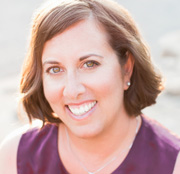
Dorit Sasson writes for a wide range of print and online publications, including The Huffington Post and The Writer, and speaks at conferences, libraries, and community centers. She is the author of the a featured chapter in Pebbles in the Pond: Transforming the World One Person at a Time, the latest installment of that best-selling series, and. She is the host of the global radio show "Giving Voice to Your Courageous Story." She lives in Pittsburgh, PA with her husband and two children.
Find Dorit Sasson Online:
Websites:
www.DoritSasson.com,
www.GivingaVoicetotheVoicelessbook.com
Facebook:
https://www.facebook.com/DoritSassonauthorAccidentalSoldier/
Twitter:
@VoicetoStory
Pinterest:
https://www.pinterest.com/givingvoice/
----- Interview by Crystal J. Otto
WOW: Dorit, you really are a do everything gal. I'm absolutely amazed at your many talents. Please tell us, as a global radio show host, did you experience any stage fright and how did you personally overcome this, or how you helped someone else through this type of experience?
Dorit: When I first created Giving Voice to Your Story back in 2013 which is now
Giving Voice to Your Courage podcast, I wasn't so sure how I was going to get over some of my insecurity around podcasting especially since I couldn't see any of my guests, some of whom were authors of note such as
Julia Cameron of the well-known
The Artist's Way and Linda Gray Sexton, daughter of the Pulitzer prize winner Anne Sexton. This shook me up immensely. I won't deny it... I had several sleepless nights.
But with each interview, I kept reminding and asking myself that this podcast is not about me - it's about serving my target audience. What do they need and want? In this case, I interview authors, entrepreneurs and basically anyone with a story of courage. This is a very relatable issue and I'm always on the hunt to make it even more relatable. I am always stretching myself to get out of my comfort zone.
This tactic has helped me connect more authentically with my guests.
WOW: Authenticity is definitely important when it comes to connecting with people in general, but especially readers of your memoir. I love how that's been at the forefront for you in many areas of your professional and personal life.
If you could chose just a small excerpt from Accidental Soldier - what excerpt would be your favorite and why?
Dorit: Wow. This is a hard one. There's many sections where I'm trying to navigate both the militaristic and cultural worlds as an American-Israeli trying to fit in.
Singing Ella Fitzgerald's version of "Summertime" on a dusty base in the middle of the Arava desert in the chapter "Giving Voice" would have to be one of my favorite scenes. As a graduate of vocal music of the FAME school in New York City, I'm finally able to give a voice to the experience of serving in uniform on a settlement where the "distance" between myself and our commanding officers is rather friendly. All throughout high school, I felt "voiceless" and unworthy. Ironically, as an IDF soldier, I learn to trust the process of finding my voice on an unknown dirty and tiny base in the middle of nowhere.
At seven o’clock in the evening two days later, I appear on a bungalow stoop facing an empty desert, wearing a dusty civilian shirt, my hands tucked into the pockets of my army work pants. The sun’s still high above me, and my “audience”—members of my garin and the Israeli-born garin—sit on the grass. Our commanding officers stand behind them.
Silence.
I take a deep breath and introduce each song in Hebrew briefly.
Some of the commanding officers’ hats are pulled down to block out the glare of the sun, so there’s no way of seeing their expressions. Will there be a cringing face, or whispers of disapproval?
I decide to go with the flow: I lift my chest and open my mouth.
I have the entire “stage” to myself. I trill on the high notes without belting. My voice travels. With each note, I feel the distance between my high school self and who I am today becoming smaller. My entire body shakes with nervous excitement and anticipatory anxiety.
As I get deeper into “Summertime,” I try to avoid focusing on the garin and their expressions. This hot desert is the perfect setting for the song. I try my best to execute Ella’s flawless, melismatic style, letting thoughts of her rich voice carry me like warm honey. Each time I end a cadence, I control and deepen my voice just like she does in the recording I know so well.
As I near the end of the song, my heart beats fast.
What’s this? There’s clapping. They liked it! Even as I run to sit on the grass, avoiding people’s eyes, the clapping is still going. I squeeze in between two of the Israeli garin members on the ground. Someone reaches from behind and squeezes my hand.
The next day, Michal, Hiyah, and Miki from the Israeli garin, and even a second officer named Debbie, approach me at breakfast.
“Wow, Dorit, you sang great. We didn’t know you could sing like that.”
I smile widely. I didn’t know I could sing like that, either.
It occurs to me: I’m not just a soldier anymore. I’m someone with a voice.
My second favorite scene:
Arriving at our first real military assignment with my group near the Israel - Lebanese border would have to be another one of my favorite scenes even though it was a hard scene to write because I had to translate so much emotional and cultural content, but it shows real depth of myself as protagonist. It is a true test of how I'm able to separate from my Mom's unrealistic fears about Israel and become my own person, which is the heart of the mother-daughter story.
An officer on the bus starts speaking about the strategic location of Avivim: Our base is less than one kilometer from the Shiite village Saliha and from the Blue Line, a border between Lebanon and Israel established in 2000 for purposes of identifying the withdrawal between Lebanon and the Israeli-controlled Golan Heights. I have no idea what to expect in terms of what kind of job I might have once we get to Avivim, but it’s clear that it won’t be a nine to five secretarial job. I intuitively feel that my new job will entail something that keeps the base running, but I don’t quite exactly know yet what this will mean as far as my day to day life.
Knowing we are so close now to Lebanon awakens a far-distant memory: It is 1982, and I’m eleven years old, visiting my aunt and uncle at Malkiyah. I’m with my parents and it’s the height of the Lebanese–Israeli war. All along the road on either side of the border are burnt cars with dark hollow spaces like cavernous eyes. Mom is startled by the number of destroyed cars, and though she stays silent, she pulls me closer. I’m too young to understand the specifics of this ongoing war, but I sense her fear.
Although there’s no threat of a war now, as we close in on the last ten minutes of our journey, I realize I’m up against Mom’s deep-rooted—and unrealistic—fears about Israel. Fear knocks on my door like an old childhood friend. The difference, though, is that now I can see, clear as day, that I don’t want it anymore. It’s not serving me. And I know that my fear of what might happen in Israel is based on the media images of terrorism and bombings that I’ve seen over the years. Yes, those things are real, but I now know that the picture the media paints is exaggerated. Mom would fret over a bomb exploding on this base, or alongside the border, but the chances of that happening are low, and furthermore, thinking and fretting about it all the time is pointless. People who’ve grown up here simply don’t worry about what might happen. You are cautious, but you live your life. I choose to look to these people as examples, and to separate myself from Mom’s warped picture of what life is like here. The fact that I’m here, right now, submerging myself in a piece of Israeli history that I was taught to fear, is symbolic of just how much I’ve already separated from Mom in this one short year abroad, and I relish in that thought.
Each time I begin to think negative thoughts, I catch myself. She controlled me back in the States, but I can’t let her control me now.
This is it. The moment of truth and change. We’re almost at the base. This is where I need to get a handle on my fear. Somewhere in my youth, Mom planted the seed that Israel, as a country targeted by terrorists, is a place to be feared. But instead of thinking about that, I try focusing on my mission and why I’m here. This service is real. You’re safe. You’re not going to be blown up.
WOW: Thank you for those sneak peeks - what a special treat!
Tell us more about how you juggle your career along with raising your family? What advice would you give other writer mamas?
Dorit: I won't sugarcoat this juggling act - it is particularly hard as a working parent of young children. I struggled with it while writing
Accidental Soldier, and I still struggle with it. But here's what I've been doing that has been helpful:
- I seek out accountability - usually in the form of a writing class or sending out work to an editor/writing partner. I'm easily frazzled. I need structure to help me deal with the chaos. I also need to constantly improve my writing skills.
- I enlist the support of my family. By now, they are very well seasoned to my crazy need to write.
- I try and forgive myself on the days when it doesn't feel as if I'm making any real writing progress.
- I make sure to schedule downtime for chilling and doing nothing to help balance the intense hours of writing, revising and solitude.
- I timeblock writing time otherwise it won't get scheduled (and I mean, won't) and it works!
- I connect with other likeminded authors/writers and particularly those with young children, but they are often hard to get because they're busy writing. I sometimes feel as if I'm an odd and weird one.
- I timeblock writing and marketing/promotion. I alternate days for writing and marketing - they require different energies and they are two different "animals."
It's a constant need for balance - and because it's so challenging, it's easy to give up, but never give up on something that's so important to you as the need to write.
WOW: I absolutely needed to hear that - thanks for not sugar coating! You definitely make the balance look easy!
How did you end up pairing with She Writes Press? What advice would you give other authors interested in publishing their memoir?
Dorit: When I was in the throes of decision making, I've written extensively about this journey which you can read about
here and
here. Basically, She Writes Press was always my first choice from the beginning. I worked with
Brooke Warner, publisher of She Writes and my editor and coach closely on the manuscript from the very beginning, and it seemed like a natural fit. I had already tasted the traditional world of publishing mainly with two academic books, but it wasn't until I gave the agent world a whirl that I realized that my memoir was better off with She Writes Press.
Accidental Soldier was rejected over 100 times. (Yes, I've counted the emails.) When I realized how cold and highly subjective the agent world really was, I signed the contract with She Writes Press. That was all I needed to know. And I've never looked back on that decision since.
I would encourage prospective authors to really really make sure you've got a well-written and marketable story before you rush to publish it.
I've blogged about the importance of hiring an editor - it's so important. You only got one shot as a published author to make a good impression and word quickly spreads about bad books and poor writing.
Nowadays, there are so many publishing choices. I'm a firm proponent in having your book traditionally distributed. Distribution is so important - you want your book to be accessible in the book buying channels. You're taken much more seriously as an author, but unfortunately, many librarians and book proprietors don't know what hybrid really means, so I'm an ambassador out there also educating the masses.
WOW: Rejected over 100 times? That had to be hard; good thing for good support! Speaking of which, who has been your biggest supporter during your writing career and specifically concerning publishing your memoir?
Dorit: I would have to say Brooke Warner who saw that manuscript from a very messy and "shitty" draft as Anne Lamott has famously said, to the finish line. Brooke's astute and keen advice bolstered me during the "stormy" journey.
She also witnessed me transform and grow to a published author. Not all writers stay committed to the finish line.
WOW: Thank heavens for Brooke and her honesty as well as her stick-to-it-iveness!
How do you deal with rejection and what wisdom can you share with others?
Dorit: There's a few ways I've dealt with rejection and as a published memoir that has now been shortlisted for a
literary award, rejection still stings.
Here's what softens the blow:
- I constantly keep pieces circulating - I think someone said once to have 13 pieces circulating at one time. I have more than that - I send out to contests, and magazines. So when I get a rejection, I immediately send that piece (or something else) somewhere else.
- I read testimonials and reviews on bad days to help bolster my confidence.
- I try and learn from the rejection.
- I look for new markets to submit my work.
- I constantly aim for writer growth.
WOW: I love your honesty not only in your book, but also in this interview and every step along the way. You are such a breath of fresh air Dorit!
Was anyone concerned with you sharing your personal story with the world? How did you overcome those objections?
Dorit: I am lucky to have a support network of family and friends though the thought does sometimes cross my mind especially when I near the date of publication. You need some serious thick skin to publish a memoir, and I don't know anyone who doesn't lose any sleep over letting their memoir fly to the world.
I won't deny that I haven't had "what if" type thoughts--about my network not liking what they've read and the nasty trolls who get a jolly from badmouthing someone's writing.
But hey, this is really my journey, my truth, courage and deep story of what I've translated and experienced serving in a foreign military that wasn't my country. It's a mother-daughter story. It's a love story. It's a story of faith. It's courage. Nobody can take this truth away from me. I've earned the title of memoirist because I've experienced those "emotional miles" enough to want to give voice to them.
Obviously, it's easier to write about a family member when that person isn't alive. In my case, my mother. And I know she would have been proud of my achievements if she was alive today. I felt safe enough to write about our relationship.
Dr. Linda Joy Myers, one of my earlier mentors said something very wise when I first started writing
Accidental Soldier: protect yourself. Don't involve family members. Don't talk about your book. Don't talk up your book with anyone.
With memoir particularly, you need to feel very safe when you write. Family didn't really know of my intent to publish a memoir of my IDF experience until the manuscript was firmed up and I'd signed a contract. The next thing they saw was a picture of myself in IDF uniform on my Facebook. And so it goes.
WOW: You mention so many familiar names and people I've had the pleasure of getting to know. It's fabulous to hear that the industry has really embraced Accidental Soldier!
What's next? You're so busy - so what is brewing for Dorit Sasson later in 2016 and beyond?
Dorit: Accidental Soldier: A Memoir of Service and Sacrifice in the Israel Defense Forces was officially published on June 14 2016 and I'll be doing some speaking and touring around the book - in the Pittsburgh area and participating with the SWP tour hopefully, in New York City, Washington DC and Chicago. I'm pitching my book at the Jewish Book Conference in New York City, and these days, I'm working on my 2 minute pitch to grab the attention of programmers who might want me to speak to their groups about my book.
I'm hoping to take the book on tour ... in Israel! I'm also working on a second book - which I haven't decided if it'll be a memoir or a collection of essays.
WOW: Such an exciting time for you. You've got to be jumping with joy!
You're my idol when it comes to stepping outside of your comfort zone - what can you tell others who may be hesitant about moving forward into uncharted territory personally or professionally?
Dorit: Wow, thank you so much for the accolade!
It's always scary to jump into something new. Here's what I say, feel the fear, just do it anyway. And don't forget the important thing - detach from outcomes.
I'd much rather feel the fear than regret that I didn't take the opportunity. Regret is a hard thing to live with. Seek out support and mentors. If you're a writer, learn what the masters have done to conquer their fears, and follow the beat of your own drum.
WOW: Thank you again Dorit. You are absolutely a joy to work with and I have enjoyed every moment of preparation for what is sure to be an amazing book blog tour!
----------Blog Tour Dates
Monday, June 20th @ The Muffin
Stop by for an interview and book giveaway!
http://muffin.wow-womenonwriting.com/
Tuesday, June 21st @ Choices with Madeline Sharples
Dorit Sasson authors today's guest post at Choices with Madeline Sharples. Don't miss her post titled: "Working with the inner critics when writing a memoir" and learn more about Dorit's memoir
Accidental Soldier: A Memoir of Service and Sacrifice in the Israel Defense Forces.
http://madelinesharples.com/
Wednesday, June 22nd @ Linda Appleman Shapiro
Linda Appleman Shapiro hosts
Accidental Soldier: A Memoir of Service and Sacrifice in the Israel Defense Forces and the author Dorit Sasson pens today's guest post titled "The Trauma of Leaving my Mother to Service in the Israel Defense Service". Find out more about Dorit, her memoir, and her experiences. This is a blog stop you won't want to miss!
http://applemanshapiro.com/
Thursday, June 23rd @ Writers Pay It Forward
Find out what MC Simon has to say after reading Dorit Sasson's memoir
Accidental Soldier: A Memoir of Service and Sacrifice in the Israel Defense Forces. This is a review you won't want to miss.
http://writerspayitforward.org/
Friday, June 24th @ Sherrey Meyer
Dorit Sasson is the author of today's guest post "What Americans Can Learn from Israel and the IDF". Thank you Sherrey Meyer for hosting this post and giveaway where one lucky reader will receive their own copy of Dorit's memoir
Accidental Soldier: A Memoir of Service and Sacrifice in the Israel Defense Forces.
http://sherreymeyer.com/
Monday, June 27th @ Memoir Writer’s Journey with Kathleen Pooler
Readers at Memoir Writer's Journey with Kathleen Pooler are in for a special treat with the guest post by Dorit Sasson: "How I was able to tell my mother daughter story in Accidental Soldier" and one lucky reader will receive a giveaway copy of Dorit's memoir
Accidental Soldier: A Memoir of Service and Sacrifice in the Israel Defense Forces.
http://krpooler.com/
Tuesday, June 28th @ All Things Audry
Dorit Sasson is the author of today's guest post at All Things Audry. Don't miss: "The process for Accidental Soldier."
http://allthingsaudry.blogspot.com/
Wednesday, June 29th @ Jerry Waxler
Fellow author and memoir writer Jerry Waxler reviews "Accidental Soldier: A Memoir of Service and Sacrifice in the Israel Defense Forces" by Dorit Sasson and asks some great questions of Sasson. This is an interview and review you won't want to miss!
http://jerrywaxler.com/
Thursday, June 30th @ Writers Pay It Forward
Dorit Sasson pens today's guest post at Writers Pay It Forward as she talks about "Promoting Accidental Soldier in the United States and in Israel" where readers can learn more about Dorit's memoir
Accidental Soldier: A Memoir of Service and Sacrifice in the Israel Defense Forces.
http://writerspayitforward.org/
Friday, July 1st @Coming Down the Mountain
Karen Jones Gowen reviews
Accidental Soldier: A Memoir of Service and Sacrifice in the Israel Defense Forces.
http://karenjonesgowen.blogspot.com/
Wednesday, July 6th @ Lisa Haselton
Lisa Haselton interviews Dorit Sasson about her memoir and offers one lucky reader their very own copy with a giveaway of
Accidental Soldier: A Memoir of Service and Sacrifice in the Israel Defense Forces.
http://lisahaseltonsreviewsandinterviews.blogspot.com/
Tuesday, July 12th @ Mari McCarthy's Create Write Now
Join Mari McCarthy at Create Write Now as she hosts guest blogger Dorit Sasson with the intriguing post "The Courage to Be an Israel Heroine" and find out more about Sasson's memoir
Accidental Soldier: A Memoir of Service and Sacrifice in the Israel Defense Forces. Don't miss this great guest post and book blog tour stop!
http://www.createwritenow.com/
Get Involved! If you have a website or blog and would like to host one of our touring authors or schedule a tour of your own, please email us at blogtour@wow-womenonwriting.com.
*****BOOK GIVEAWAY*****
Enter to win a copy of
Accidental Soldier: A Memoir of Service and Sacrifice in the Israel Defense Service by Dorit Sasson! Just fill out the Rafflecopter form below. We will announce the winner in the Rafflecopter widget next Monday, June 27th!
a Rafflecopter giveaway